



27/12/2025 23:19
27/12/2025 23:12
27/12/2025 23:11
27/12/2025 23:11
27/12/2025 23:11
27/12/2025 23:08
27/12/2025 23:07
27/12/2025 23:07
27/12/2025 23:07
27/12/2025 23:07
» D24ar
Fecha: 27/12/2025 21:10
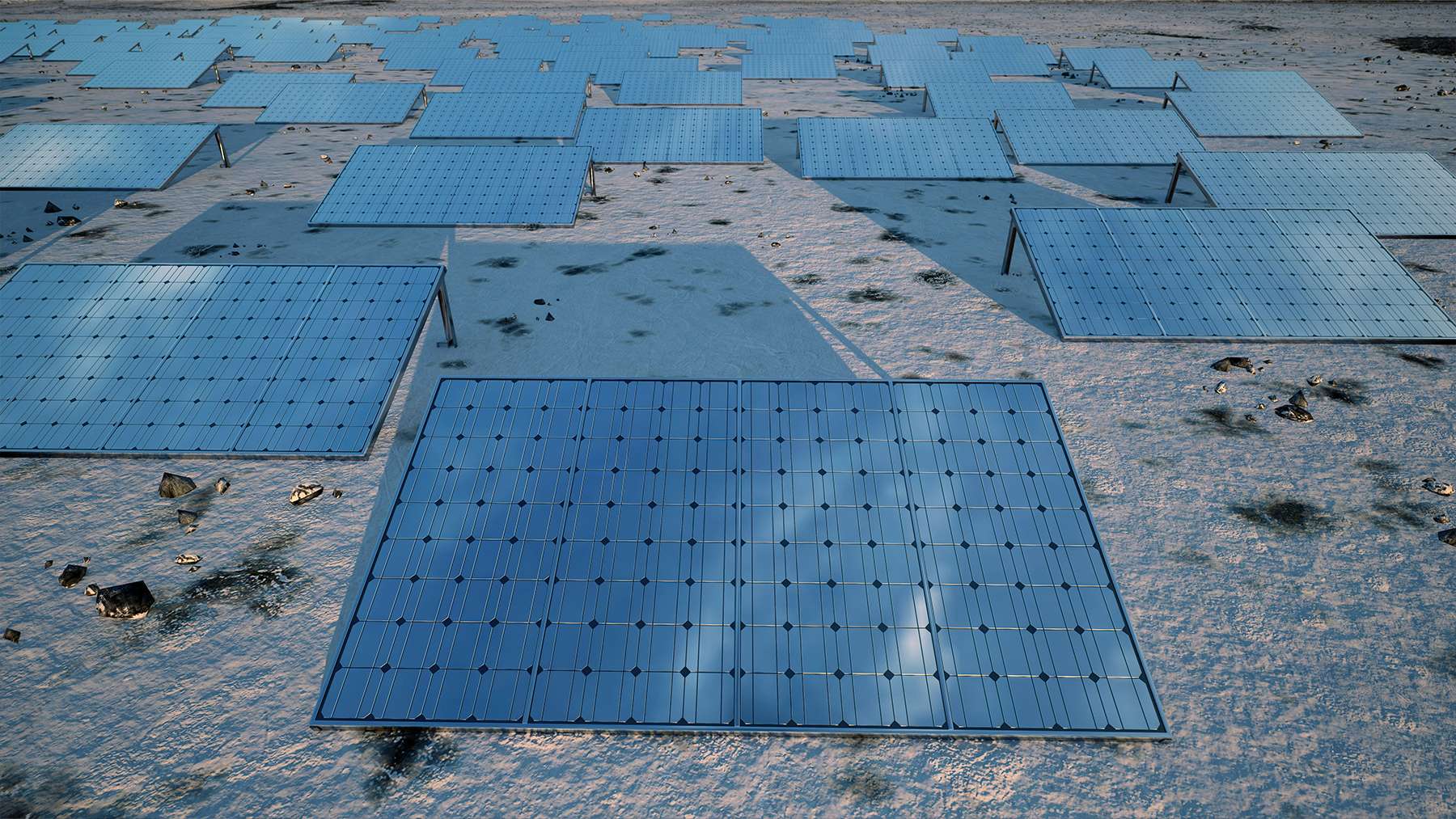
Winter is here, and people might begin to have problems with energy generation. With so many myths flying around, its easy to get misinformed about generating power during this snowfall season. This article reveals everything you need to know. Do solar panels work during winter? Many people believe that solar panels arent effective during winter. Interestingly, solar panels generate the most power during the winter because the cold temperature improves a panels output. The truth is, solar only works by trapping sunlight and turning it into energy; it does not depend on the temperature of the air. Although there could be drawbacks like heavy snow, as long as your panel receives enough sunlight, it will generate energy. But how is cold temperature beneficial to a solar panel? A solar panel is built in such a way that its efficiency starts reducing when its exposed to heat. The efficiency starts to degrade when the panel temperature rises above 25 degrees Celsius. Therefore, the best weather for solar energy generation is cold, sunny days. Heavy snow during winter can reduce solar function. Solar panels require sunlight to generate adequate electricity. Now, during winter, when there are heavy snowfalls, the panels might not be as effective as they used to be. This snow fills the top of the room, covers the panel, and prevents sunlight from reaching it. Now, with little sunlight exposure, there is reduced energy production. Therefore, if you stay in areas of prolonged heavy snowfall, you might suffer from poor electricity for a while. Another problem with heavy snowfall is its weight on the photovoltaic systems support structure. Solar panels are designed to withstand different environmental conditions, but if the snows weight on the panel is extreme, it can lead to structural damage. How to reduce the impact of snow on solar panels Staying in a snowy area shouldnt get in the way of your solar panels efficiency. One of the best ways of reducing the impact of snow is to place it in a tilted position. In a tilted position, snow easily slides off the surface of the panel instead of stacking up on it. Make it as steep as possible, such that the snow sheds off immediately, and also have a good exposure to sunlight. Some solar panels have an internal heating system that generates enough heat to melt the snow on their surface. Therefore, to prevent disruption of energy generation during snowy weather, this heating system will liquify the icy snow. However, the cost of this technology is higher energy consumption. For panels that are not properly tilted and do not have a heating system, you can rake the snow manually. @cathyinthewilde on TikTok explained the importance of manually raking the snow from your roof, as it helps reduce the weight on it. However, you must be extremely careful to avoid damaging the panels in the process. Maintaining solar panels during winter Learning how to maintain your solar panels during winter helps you maximize energy even during colder and less sunny conditions, just like this Virtual Power Program that promises to save residents billions of dollars. Lets take a look at some tips that can help achieve a firing solar during winter. Regularly clean your panel. Dirt and snow can clog different parts of your solar and reduce its efficiency. Therefore, you must constantly clean up your solar panel with a soft broom or brush. You can also use mild soap to get rid of dirt. Always check wiring connections. During cold weather, there can be electrical misconnections, leading to power loss. Therefore, you must always check the wiring to be sure there are no signs of damage. If you notice any problem, reach out to a professional. Install a battery backup. During winter, days are shorter and less energy is gotten from the sunlight. If you install a battery backup, you can store excess energy during sunny periods and use it when there is less sunlight. Heavy snowfalls shouldnt restrict you from effectively using your solar panels. By reducing the amount of snow that piles on it and effectively monitoring the panel, you should be able to get the best from it, similar to this practical approach towards solar energy utilization in New York.
Ver noticia original





.gif)







Examedia © 2024

Desarrollado por