



28/12/2025 00:53
28/12/2025 00:53
28/12/2025 00:53
28/12/2025 00:53
28/12/2025 00:53
28/12/2025 00:53
28/12/2025 00:53
28/12/2025 00:53
28/12/2025 00:53
28/12/2025 00:53
» D24ar
Fecha: 27/12/2025 21:10
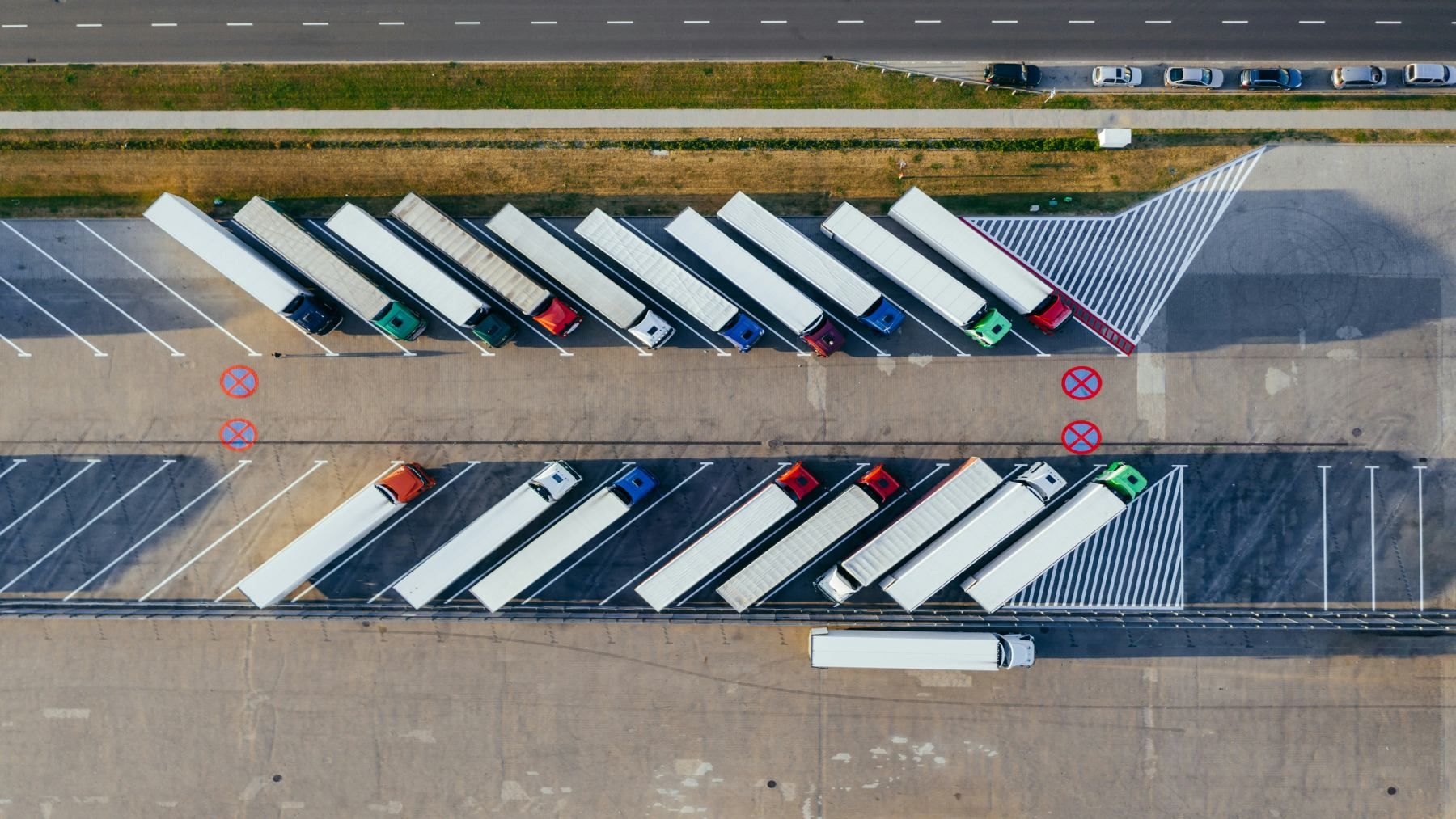
Aurora Innovation, along with other companies, has been dodging political and corporate resistance for the past several years due to the predictions surrounding self-driving trucking systems and the crisis surrounding Americas supply chains. The predictions suggested that these automated trucking systems would drive fully loaded, 80,000-pound trucks across the country with no problems. However, the reality of the predictions has caused most to avoid the predicted impact of automated trucking systems. Aurora: Predicting the impact of trucking systems Aurora Innovation recently achieved the first predicted impact of an automated trucking system. This was the commercial use of a fully automated trucking system on the highway from Houston to Dallas, Texas. This was new to Aurora Innovation, as their systems have historically been used off-highway and were, therefore, non-commercial. Aurora Innovation has, however, been involved with commercial trucking systems for several years and, as a result, was faced with significant problems involving commercial banking and political exposure. Safety measures for the trip For the trip from Houston to Dallas, Aurora Innovation was mandated by its commercial partner, PACCAR, to have a Safety Manager (a federally required position for a driverless operation of a commercial trucking system) in the automated trucking system. PACCAR is the parent company of Kenworth and Peterbilt. The lack of business models for self-driving vehicles This situation exemplifies the existence of an intriguing paradox: the technology that allows vehicles to drive on their own is available, but the business model to implement and capitalize on it has yet to arrive. PACCAR has asked that an observer relocate from the sleeper berth prototype to the drivers seat because of the prototype components in the base vehicle platform. This created the contradictory situation of a driverless truck needing to have a human occupy the drivers seat in order to meet the companys risk management criteria, and on the companys policy of timely recovery of employees in the event of an in-case emergency, such as a tire blowout. Having had its software run millions of miles in the real world as well as in virtual environments, Aurora feels the regulatory requirement of a human in the drivers seat to have total software control is the most unproductive of all backward steps. Limitations beyond the cabin are impacting Auroras Strategic Development Legislation Teamsters Union adamantly defends the Texas House Bill 4402, which seeks to require the presence of humans in all commercial autonomous vehicles. The Union perceives technology as a potential threat to 3.6 million driving positions in the United States and describes the pursuit of automation as a folly of external, out-of-state actors. Robot trucks and the future of humans in the drivers seat Teamsters contend the public is uneasy concerning the circulation of robot trucks and are exercising their political authority to leave humans in the drivers seat. This political opposition is a complication that could considerably delay the implementation of fully autonomous driving in the Sunbelt. Automation is necessary With regards to the burdens on long-haul routes that human drivers avoid for health and safety reasons, automation is important. Urmson believes that automation will elevate the profession by changing human roles and shifting them to terminal tasks and other specialized actions, not just eliminating them. The first problem Aurora has is that the revolution is made up of more than just difficult calculations. It is a problem of balancing technology, the limits of manufacturing, and the rights of the workforce. As Aurora expands to Phoenix and El Paso, the industry is demonstrating that technology is not the only solution to the problem of substituting human roles on the road. The industry is still getting one step forward and two steps back. Disclaimer: Our coverage of events affecting companies is purely informative and descriptive. Under no circumstances does it seek to promote an opinion or create a trend, nor can it be taken as investment advice or a recommendation of any kind.
Ver noticia original




.gif)





Examedia © 2024

Desarrollado por