



25/12/2025 21:36
25/12/2025 21:36
25/12/2025 21:36
25/12/2025 21:36
25/12/2025 21:36
25/12/2025 21:36
25/12/2025 21:36
25/12/2025 21:36
25/12/2025 21:36
25/12/2025 21:36
» D24ar
Fecha: 25/12/2025 19:11
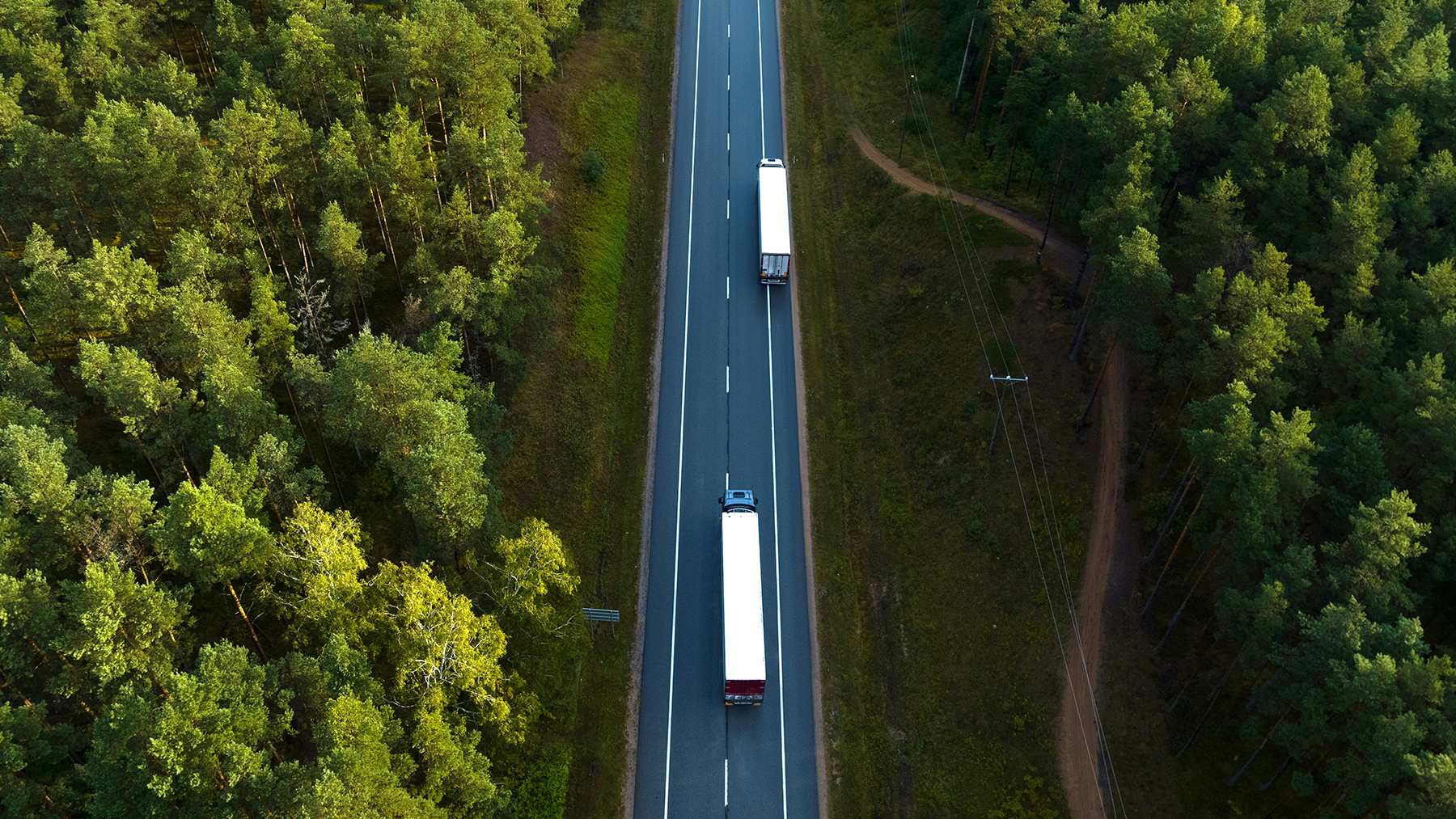
The first generation of self-driving commercial vehicles and trucks (heavy-duty) is set to enter service in the U.S. at levels 4 and 5 in 2026. The U.S. Federal Government is currently developing legislation to establish a national regulatory environment. This framework will allow fully autonomous freight vehicles to operate on public roads without a human driver. It also provides for operations without a remote operator controlling the vehicle. The AMERICA DRIVES Act legislation Included within the proposed legislation is the AMERICA DRIVES Act, which is a newly introduced federal bill that will create the initial national standards for the operation of self-driving commercial trucks throughout the U.S. The AMERICA DRIVES Act would amend the current federal laws regarding the use of commercial motor vehicles equipped with an advanced automated driving system, such that states cannot have laws requiring humans to be located inside vehicles utilizing an automated driving system. The bill also grants the Secretary of Transportation the authority to draft and enact all necessary safety and operational regulations to govern the use of commercial motor vehicles equipped with advanced automated driving systems. Ending state-by-state regulatory barriers By eliminating the various state-specific regulations and implementing one set of federal regulations, the bill will remove barriers to the use of self-driving freight technology that currently exist throughout the U.S. due to a patchwork of state regulations and laws. Proponents of the legislation believe that the current inconsistent federal standards surrounding the use of self-driving trucks for freight transportation create uneven opportunities for the development of self-driving trucks within the U.S., and that a unified national standard will enable faster innovation, fewer delays, and improved competitiveness for U.S. supply chains during a time when there is growing demand for freight transportation services and a shortage of available drivers. Safety expectations from automation Supporters of the bill also believe that the legislation will promote additional safety for all travelers on our nations roads. Proponents believe that the primary cause of most crashes involving large commercial vehicles, including those caused by human factors such as driver fatigue, distractions, and so on, will be reduced through the use of high-level automated driving systems (e.g., SAE Level 4 and 5). Opposition from labor and safety groups However, the legislation has created controversy with certain safety organizations and labor unions. Critics of the bill argue that it advances self-driving commercial trucks too rapidly, given the need for adequate safety protections, independent testing of the performance of autonomous vehicles, and effective methods for holding accountable regulators who authorize the use of autonomous vehicles. Operational and business model challenges Operational and business model challenges have been identified, including the interactions between self-driving trucks and law enforcement, how to maintain self-driving trucks, what liability frameworks should apply to self-driving trucks, and how self-driving trucks will interact with vehicle inspection systems that currently inspect human-driven trucks. Technology development accelerates The pace of advancement in technologies, including Artificial Intelligence, Sensors, and Vehicle-to-Infrastructure Communications, has been accelerating. As a result, many manufacturers and logistics companies are investing considerable resources into developing Level 4 and Level 5 ADAS systems, with the anticipation that a regulatory environment will soon be established to support the wider use of these technologies. For information regarding the legislative text and status of the federal framework governing this transition, see H.R. 4661 in the U.S. Congress. If the proposed federal framework is ultimately established, 2026 could be a pivotal year. This would mark the first time that completely autonomous commercial trucks are placed into sustained service on U.S. roadways. The introduction of self-driving commercial vehicles and trucks in 2026 signifies more than just a technological milestone; it indicates a fundamental change in how the movement of goods across the U.S. occurs, with impacts on safety, labor, and the future of American transportation.
Ver noticia original





.gif)








Examedia © 2024

Desarrollado por