



23/12/2025 03:37
23/12/2025 03:11
23/12/2025 03:11
23/12/2025 03:11
23/12/2025 03:10
23/12/2025 03:10
23/12/2025 03:10
23/12/2025 03:10
23/12/2025 03:10
23/12/2025 03:10
» D24ar
Fecha: 23/12/2025 01:47
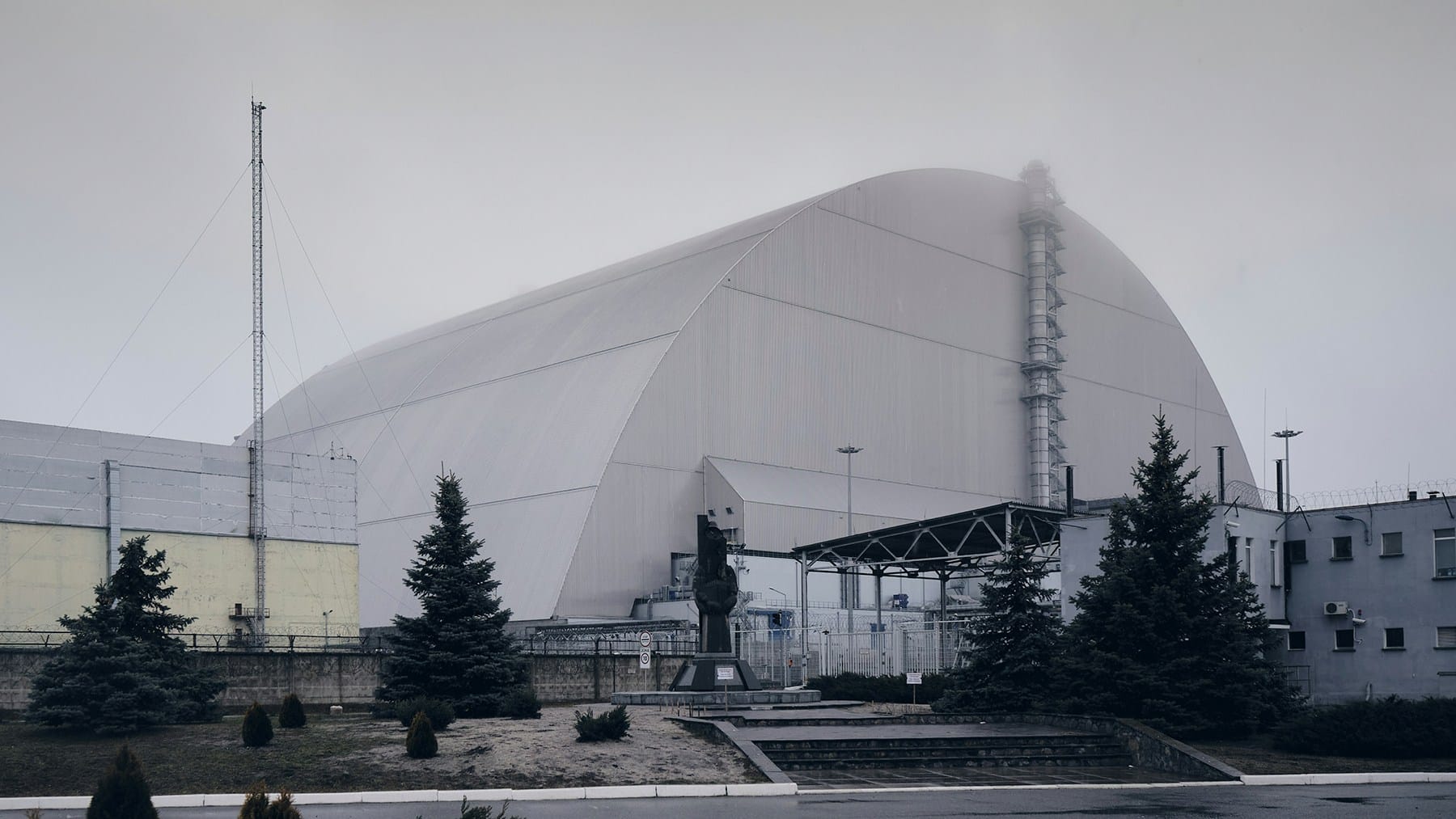
The Chernobyl plant emits a lot of radiation, which is well-contained by the steel structure, preventing it from spreading. But following a recent event, human lives might be in danger again. Also, a discovery that continues to be a mystery has left room for many questions. This article will uncover all you need to know. The Chernobyl disaster On the 26th of April, 1986, a reactor at the Chernobyl nuclear plant exploded. This explosion caused the release of radiation to regions as far as the United Kingdom, making the area uninhabitable to humans and animals. During this explosion, about 28 people were killed, including workers at the plants and firefighters who were exposed to too much radiation. Thousands more have also died from cancers or other diseases from exposure to this radiation. The cause of this explosion was said to have been a combination of human errors and reactor design flaws. A steel structure protects the environment from radiation. The Chernobyl reactor explosion in 1986 remains the world’s worst nuclear disaster. Till today, the plant still emits a massive amount of radiation; therefore, no one is allowed to live within 1,000 square miles around the plant. After the explosion, a massive concrete and steel structure, known as the sarcophagus, was built around the reactor to reduce the level of radiation to the surrounding area. The sarcophagus was a success, and it contained the radiation. And in 2016, a steel dome was built around the reactor to offer extra protection, which it did. But recently, this shield seems to be in a lot of trouble. Following the Russian drone attack in February, the steel structure around the reactor appeared to have been damaged. In a recent assessment done by the International Atomic Energy Agency (IAEA), the protective structure around the reactor is said to have lost its primary safety functions. However, despite this damage, there hasn’t seemed to be a rise in the surrounding radiation. But a date for temporary repair has already been planned for 2026 to prevent extensive deterioration of the shield. The radiation from the plant seems to be supporting the life of fungi The radiation from this plant is said to be harmful to living things. They penetrate humans and animals along their path and cause damage to their cellular structure. These radiations also cause DNA mutations, predisposing exposed individuals to cancer. However, not all organisms have suffered this fate. A black fungus has been noticed to survive the harsh conditions of the radiation and even grow abundantly. A team led by Nelli Zhandova on a field survey in Chernobyl was the first to notice this plant in the late 1990s. This black fungus, known as Cladosporium sphaerospermum, has a black pigment, which may be the reason behind its survival. Scientists believe that the black pigment of this fungus utilizes radiation the same way green plants with chlorophylls use sunlight. This mechanism was referred to as radiosynthesis; however, this hasn’t been proven to be true, just like this revolutionary photovoltaic device changing how we generate energy. A study on the fungus might explain the reason behind the survival. Two scientists at the Albert Einstein College of Medicine conducted a study on the effect of radiation on C. sphaerospermum. During this study, they found that exposing this plant to radiation caused no harm to it. They discovered that the plant is strangely resistant to radiation and even showed signs of growth when exposed to high amounts of ionizing radiation. Also, the scientists noticed some changes in the melanin, causing them to investigate further. They found out that the ionizing radiation was harvested and converted into energy with the black pigments acting like chlorophyll of green plants. Also, the black pigment was seen to act like a protective shield, preventing the plants from suffering the harmful effects of the radiation. The protective shields around the Chernobyl plant have limited the spread of radiation to the surrounding area. Despite a fungus being noticed to grow within the plant, this radiation is still harmful to humans. Therefore, efforts must be made to maintain the integrity of the steel structure, to contain the radiation, and to reduce the spread, similar to this amazing clean energy discovery in New York.
Ver noticia original





.gif)








Examedia © 2024

Desarrollado por